Plan the day faster.
Cut unnecessary driving and fuel costs.
Upload Excel or CSV. MileCut checks the addresses, organizes the stops, and splits the work between up to five couriers. Review the plan, then open every route in mobile Google Maps.
From an Excel list to routes you can review.
Three clear steps.
Click a card to learn more

Excel or CSV.
Upload an Excel or CSV delivery list. MileCut detects the addresses and gives you a map review before any route is created.
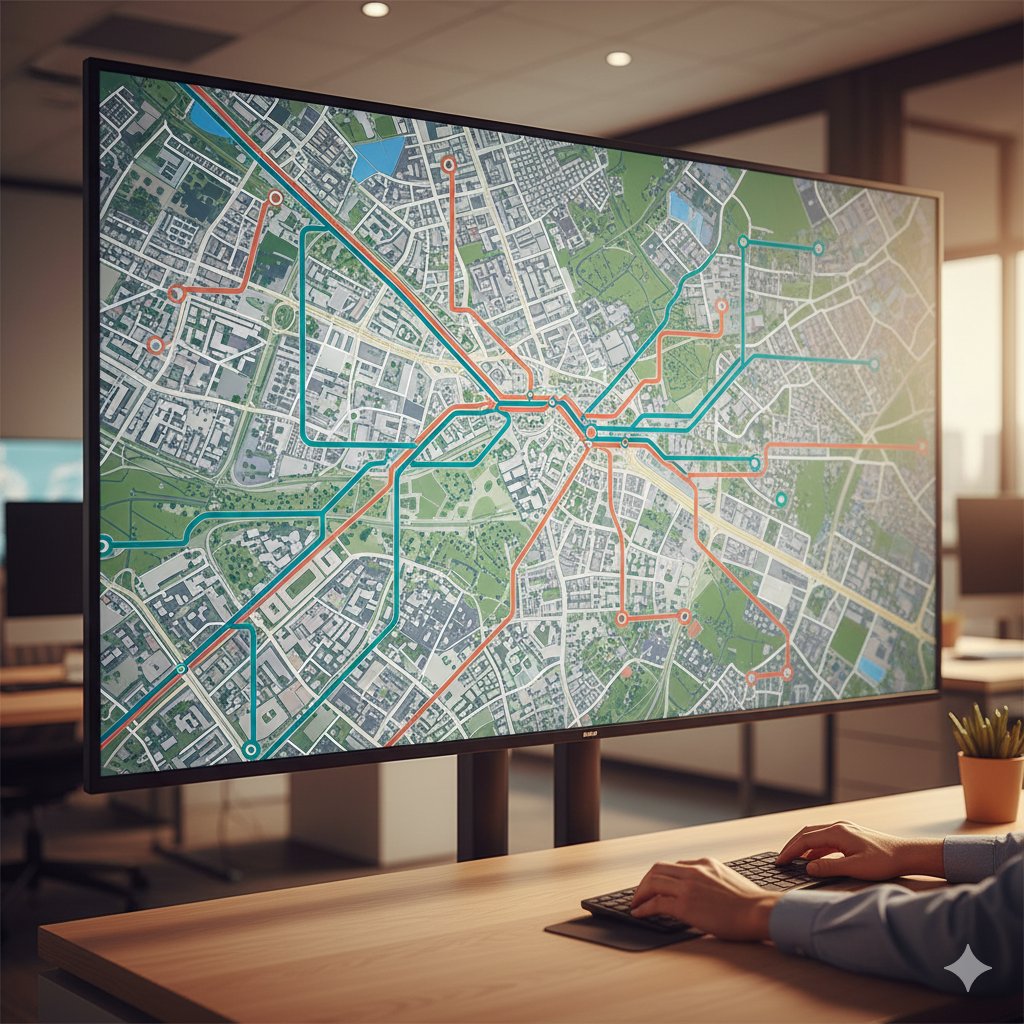
delivery day.
MileCut orders stops on the road network. Team and Control also group them across up to five couriers, while the owner keeps the final say.
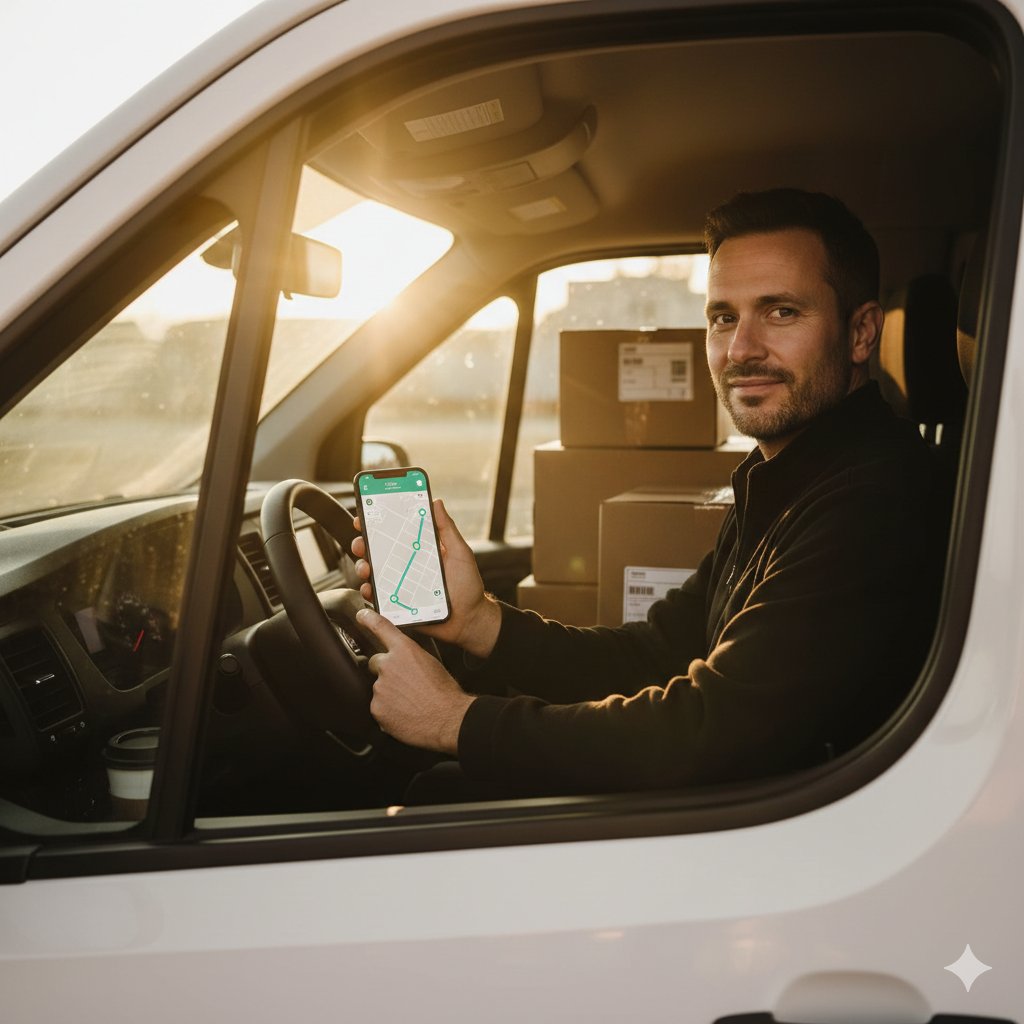
to the phone.
Create Routes produces a separate route link for each courier. Open or share it on the courier's phone, and Google Maps handles the navigation.
Manual planning hides the cost until the vans are already moving.
When addresses are grouped and ordered by eye, the owner spends time planning without knowing whether the work is balanced or the route contains avoidable driving.
MileCut only needs to save a little to pay for itself.
Solo costs €9 per month. Across 20 working days, that is €0.45 a day. At an illustrative €0.20 per kilometre, avoiding 2.25 kilometres a day covers the subscription.
See the plans →Illustration only: 20 working days, €0.20 vehicle cost per kilometre, and €15/hour for planning time. Actual costs and savings vary.
Built for the teams that
keep cities running.
MileCut started with a real small-business problem. Its founder delivered goods around Sofia himself and set off thinking he knew the addresses because he knew the city well. But knowing the streets is not the same as finding an efficient order for many stops—or dividing a growing delivery list between couriers.
MileCut is intentionally simple and affordable: upload the work, shape the routes, and send them to the mobile Google Maps your couriers already use. No enterprise rollout and no attempt to replace the navigation infrastructure that already works.
Make practical route planning accessible to small and medium delivery teams, without enterprise prices, long onboarding, or specialist training.
A world where no delivery vehicle drives a single unnecessary kilometer. Less fuel burned, less time wasted, fewer emissions — and drivers who actually want to come back tomorrow.